Your Plate Is a Pharmacy: The Cellular Science of Eating by Color
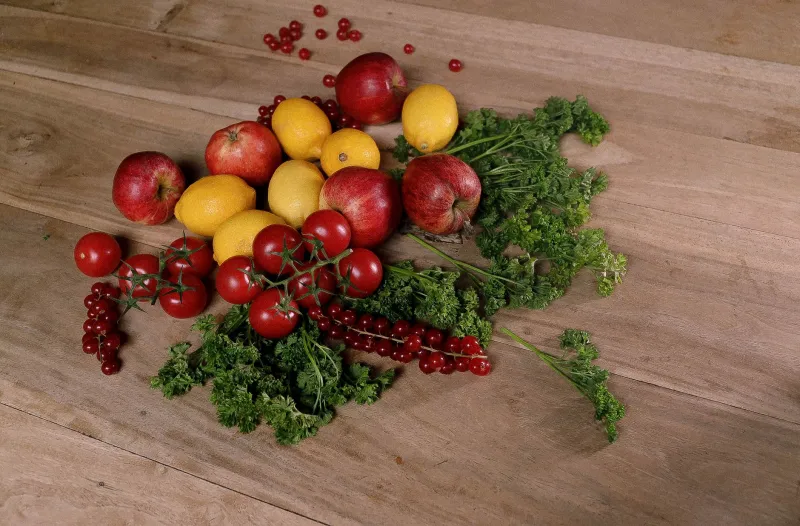
We've all heard the advice: eat more vegetables. But that's a little like telling someone to "listen to more music" without ever mentioning that Bach hits differently than Beyoncé. The colors on your plate aren't just pretty—they're chemical signals, each one carrying a distinct set of plant compounds that interact with your body at the molecular level. And when you understand what's actually happening inside your cells, "eating the rainbow" stops feeling like a wellness cliché and starts feeling like the most practical health strategy you've never fully committed to.
Let's get into it.
Why Plants Make Pigments in the First Place
Here's something worth knowing: plants don't make color for us. They produce these vivid pigments to protect themselves—from UV radiation, predators, oxidative stress, and pathogens. The remarkable twist is that when we eat these compounds, many of them extend similar protections to our cells.
These protective plant chemicals are called phytonutrients (or phytochemicals), and scientists have identified thousands of them. They're not vitamins or minerals in the traditional sense—you won't find them on most nutrition labels—but research increasingly suggests they play a major role in preventing chronic disease, slowing cellular aging, and supporting immune function. The color of a fruit or vegetable is essentially a shorthand guide to which phytonutrients it contains.
Red: Lycopene and the Heart-Protective Power of Tomatoes
Red produce—tomatoes, watermelon, red grapefruit, guava—gets its color primarily from lycopene, a carotenoid antioxidant with serious research behind it. Studies published in journals like the American Journal of Clinical Nutrition have linked higher lycopene intake to reduced risk of cardiovascular disease and certain cancers, particularly prostate cancer.
What makes lycopene interesting from a chemistry standpoint is that it's fat-soluble, meaning your body absorbs it far more efficiently when it's paired with a healthy fat. That's why a drizzle of olive oil over your tomatoes isn't just delicious—it's literally making the lycopene more bioavailable. Cooked tomatoes also release more lycopene than raw ones, which is your scientific permission to make a big pot of marinara on Sunday.
Other red players include anthocyanins in red cabbage and ellagic acid in pomegranates, both of which have demonstrated anti-inflammatory and anti-cancer properties in lab studies.
Orange and Yellow: Beta-Carotene's Immune Army
Carrots, sweet potatoes, butternut squash, mangoes, and yellow bell peppers are rich in beta-carotene and related carotenoids like alpha-carotene and beta-cryptoxanthin. Your body converts beta-carotene into vitamin A, which is essential for immune cell production, skin integrity, and vision—but the carotenoids themselves also function as antioxidants independent of that conversion.
Research from the Harvard T.H. Chan School of Public Health has found that higher carotenoid intake is associated with lower rates of age-related macular degeneration and a reduced risk of certain lung cancers. Lutein and zeaxanthin, found in yellow corn and golden squash, concentrate specifically in the retina and act as internal sunglasses, filtering harmful blue light.
The practical takeaway? Roast a sheet pan of orange and yellow vegetables with avocado oil and you've basically made a multivitamin.
Green: Chlorophyll, Sulforaphane, and the Detox Conversation
Green is arguably the most studied color in the produce world, and for good reason. Leafy greens and cruciferous vegetables contain an impressive roster of compounds.
Sulforaphane, found in broccoli, Brussels sprouts, kale, and cabbage, has been the subject of extensive cancer research. It activates a cellular pathway called Nrf2, which essentially switches on your body's own antioxidant and detoxification enzymes. A study from Johns Hopkins found that sulforaphane from broccoli sprouts—which contain concentrations up to 100 times higher than mature broccoli—could help neutralize carcinogens before they damage DNA.
Chlorophyll itself may bind to certain carcinogens and reduce their absorption in the gut. Leafy greens are also rich in folate, critical for DNA synthesis and repair, and magnesium, which is involved in over 300 enzymatic reactions in the body.
To preserve sulforaphane, chop or chew cruciferous vegetables and let them sit for a few minutes before cooking. Heat destroys the enzyme that activates sulforaphane, so giving it time to activate first makes a real difference.
Blue and Purple: Anthocyanins and the Brain Connection
Blueberries, blackberries, purple cabbage, eggplant, Concord grapes, and açaí all owe their deep hues to anthocyanins—a class of flavonoid antioxidants that have become one of the most exciting areas of nutrition research in the past decade.
Anthocyanins cross the blood-brain barrier, which is unusual and significant. Studies from the USDA Human Nutrition Research Center on Aging at Tufts University found that blueberry supplementation improved memory and cognitive function in older adults. More recent research suggests anthocyanins may reduce neuroinflammation, which is increasingly understood to be a driver of Alzheimer's disease and other neurodegenerative conditions.
They're also potent cardiovascular protectors—anthocyanins improve the flexibility of blood vessels, reduce LDL oxidation, and lower blood pressure. A large-scale study in Circulation found that women who ate three or more servings of blueberries and strawberries per week had a 34% lower risk of heart attack compared to those who ate berries once a month or less.
White and Tan: The Underrated Alliums
Garlic, onions, leeks, cauliflower, and mushrooms don't make the rainbow conversation often enough, but they deserve a seat at the table. Alliums contain allicin and quercetin, both of which have demonstrated antimicrobial, anti-inflammatory, and cardioprotective effects.
Mushrooms are in a category of their own—they contain beta-glucans, complex polysaccharides that modulate immune function by activating macrophages and natural killer cells. Certain varieties like shiitake and maitake have been studied for their potential role in cancer adjunct therapy. And when mushrooms are exposed to sunlight (or UV light), they synthesize vitamin D, making them one of the only non-animal food sources of that nutrient.
Building a Strategically Colorful Plate
Knowing all this is great. Using it is better. Here's how to actually translate the science into your daily meals:
- Aim for at least three different colors per meal, not just per day. Diversity at each sitting maximizes the range of phytonutrients hitting your system simultaneously, and some compounds work synergistically.
- Pair fat-soluble nutrients (carotenoids, lycopene) with healthy fats—olive oil, avocado, nuts, or seeds.
- Don't overcook your greens. A quick sauté or steam preserves more sulforaphane and folate than boiling.
- Rotate your produce. If you eat spinach every day, that's fine—but you're missing what chard, arugula, or dandelion greens offer. Variety within colors matters too.
- Don't ignore frozen. Frozen berries and vegetables are often flash-frozen at peak ripeness, locking in phytonutrients that degrade in fresh produce sitting in a refrigerator for a week.
- Eat purple foods often. Most Americans are significantly under-consuming anthocyanin-rich foods. Throw frozen wild blueberries into your morning smoothie, add red cabbage to your tacos, or snack on a handful of blackberries.
The Bigger Picture
Nutrition science is still young, and researchers are discovering new phytonutrients and their mechanisms all the time. What's already clear, though, is that the pigments in whole plant foods are doing something meaningful—something that isolated supplements largely can't replicate, because these compounds often work together in ways we don't fully understand yet.
Your plate is a pharmacy. Stock it with intention. The more colors you rotate through, the broader and more resilient your cellular defense system becomes. And honestly? A meal that looks like a sunset tastes a lot better than a vitamin pill anyway.