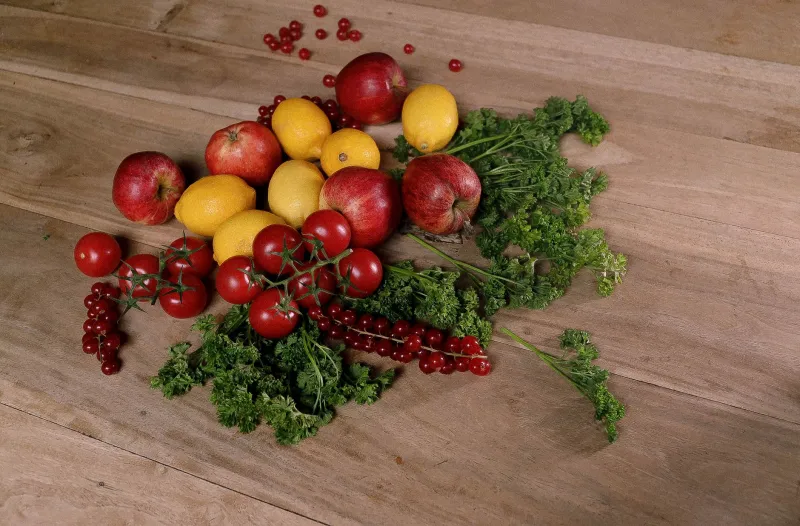
Shop the Spectrum: A Color-by-Color Grocery Strategy for Peak Plant-Based Nutrition
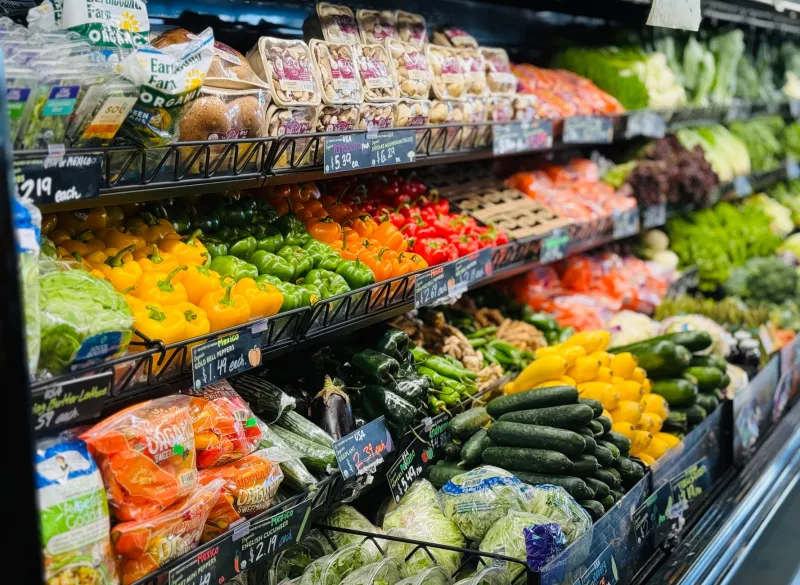
Most of us wander the produce section on autopilot — grabbing the same bag of spinach, the same bunch of bananas, the same cherry tomatoes we've bought a hundred times before. Totally understandable. But here's the thing: that predictable haul might be leaving some serious nutritional gaps on the table. Eating a wide range of plant colors isn't just an Instagram aesthetic. It's actually one of the most evidence-backed strategies for flooding your body with a diverse array of phytonutrients, vitamins, and minerals.
So let's make your weekly grocery run feel a little more intentional — and a lot more exciting.
Start With a Color Checklist, Not a Recipe List
Most people shop backward. They pick recipes first, then buy ingredients. That works fine for meal planning, but it often means you end up with a cart that's heavy on one or two color families and totally missing others. Try flipping the script: before you even think about what you're cooking, make sure you've got at least one item from each color group.
Think of it like a weekly color quota:
- Red/pink — tomatoes, watermelon, red bell peppers, beets, strawberries
- Orange/yellow — sweet potatoes, carrots, mangoes, yellow squash, turmeric root
- Green — kale, broccoli, cucumber, edamame, avocado, Brussels sprouts
- Blue/purple — blueberries, purple cabbage, eggplant, Concord grapes, blackberries
- White/tan — cauliflower, garlic, onions, mushrooms, jicama
Once those slots are filled, then you can layer in your recipe-specific needs. This simple reframe makes it way easier to hit a broad nutritional base every single week.
What Each Color Is Actually Doing for You
Colors in plants aren't random — they're produced by specific pigment compounds that also happen to be incredibly active in the human body.
Reds and pinks get their hue from lycopene and anthocyanins. Lycopene, famously found in cooked tomatoes and watermelon, has been linked to cardiovascular support and may play a role in protecting cells from oxidative stress. Red bell peppers, meanwhile, are a sleeper hit — they pack more vitamin C per ounce than an orange.
Oranges and yellows are dominated by carotenoids like beta-carotene and lutein. Your body converts beta-carotene (think carrots and sweet potatoes) into vitamin A, which is essential for immune function and eye health. Lutein and zeaxanthin, found in yellow corn and orange peppers, are particularly associated with protecting vision as you age.
Greens are the overachievers of the produce aisle. Chlorophyll-rich vegetables like kale, spinach, and broccoli bring folate, iron, magnesium, and vitamin K to the table. Cruciferous greens specifically contain sulforaphane, a compound that's been studied extensively for its role in supporting the body's natural detoxification pathways.
Blues and purples owe their deep pigmentation to anthocyanins — some of the most potent antioxidant compounds in the plant kingdom. Blueberries get a lot of credit here, but don't sleep on purple cabbage, which is dramatically cheaper and still loaded with the same beneficial pigments. These compounds are associated with brain health, reduced inflammation, and cardiovascular protection.
Whites and tans might look boring, but don't count them out. Garlic and onions contain allicin and quercetin, compounds with meaningful anti-inflammatory and immune-modulating properties. Mushrooms are one of the few non-animal sources of vitamin D (especially when sun-exposed), and cauliflower is a surprisingly good source of choline, a nutrient most Americans don't get enough of.
Navigating the Store Like a Pro
Here's a tip that sounds almost too simple: shop the perimeter first. In most American grocery stores — whether you're at Kroger, Whole Foods, Trader Joe's, or your local co-op — the produce section anchors the outer edge of the store. Do a full lap before you head into the interior aisles. Load up on your color groups, then circle back for pantry staples.
Also worth knowing: the bins at the ends of produce rows are often where stores rotate out seasonal or near-peak items at a discount. These are some of the best deals in the store and often the most nutritionally dense options, since fully ripe produce tends to have higher phytonutrient concentrations.
Frozen produce is absolutely your friend here, too. Frozen blueberries, edamame, mango chunks, and peas are typically frozen at peak ripeness, which means their nutrient content is often comparable to — and sometimes better than — fresh options that have been sitting in transit for days. Don't let anyone make you feel like frozen is a compromise.
Rotating With the Seasons (and Your Wallet)
One of the easiest ways to naturally diversify your color intake is to let the seasons do the work for you. In-season produce is cheaper, tastier, and typically more nutrient-dense because it hasn't been engineered to survive a two-week shipping journey.
Here's a loose seasonal cheat sheet for US shoppers:
- Spring — asparagus, peas, strawberries, artichokes, radishes
- Summer — tomatoes, corn, peaches, zucchini, blueberries, eggplant, watermelon
- Fall — butternut squash, apples, beets, Brussels sprouts, sweet potatoes, pomegranate
- Winter — citrus (blood oranges, grapefruit, mandarins), kale, root vegetables, purple cabbage
Building your shopping list around what's in season not only saves money — it also forces you to rotate your produce automatically, which means you're getting a different mix of phytonutrients throughout the year rather than the same handful of compounds week after week.
Budget-Smart Strategies That Don't Sacrifice Color
Eating the rainbow doesn't have to mean spending like you're at a fancy wellness market. A few practical moves:
Buy whole, not pre-cut. A whole pineapple costs a fraction of the pre-sliced container. Same goes for watermelon, cabbage, and butternut squash. Yes, you have to do some chopping, but the savings are real.
Embrace the "ugly" produce. Many stores now carry imperfect or cosmetically challenged fruits and vegetables at a discount. They taste identical and have the same nutritional profile. Misfits Market and Imperfect Foods also deliver these directly to your door if you want to go that route.
Anchor your cart with staples, accent with splurges. Carrots, cabbage, bananas, apples, and frozen spinach are nutritional workhorses that cost almost nothing. Let those be your base, then use a small portion of your budget for one or two higher-cost items you're excited about — a pint of blackberries, a bunch of rainbow chard, whatever sounds good that week.
Shop ethnic grocery stores. In most major US cities, Asian, Latin, and Middle Eastern grocery stores carry an incredible diversity of produce — bitter melon, dragon fruit, purple yams, fresh turmeric, tomatillos — often at prices significantly lower than conventional supermarkets. These are some of the most colorful and nutritionally interesting items you'll find anywhere.
Your Cart Is a Weekly Commitment to Yourself
Think of every grocery trip as a chance to vote for the version of yourself you want to feel like. A cart that spans the full color spectrum is a cart that's covering your nutritional bases in a way that no single superfood or supplement can replicate. It doesn't have to be perfect every week. Maybe you nail five out of six color groups. That's still a win.
The goal isn't perfection — it's variety. Keep rotating, keep exploring, and let the produce section surprise you. There's a whole spectrum out there waiting.