Ditch the Delivery App: How to Remake Your Favorite Takeout with a Full Rainbow of Plant Power
Let's be honest — there's a reason you keep hitting that little delivery app icon on your phone at 6:45 on a Tuesday. Restaurant food is delicious, and nobody's here to shame you for loving a good Thai curry or a loaded Mediterranean bowl. But here's the thing: that same craving-worthy flavor can come with a dramatically richer nutritional story when you're the one calling the shots in the kitchen.
This isn't about sad, watered-down "healthy versions" of your favorites. This is about going full rainbow — layering in as many colorful plant ingredients as possible so that every bite delivers a different class of phytonutrients working together in your body. Science calls this synergistic phytonutrient diversity. We call it eating like you mean it.
Let's dig into three iconic takeout categories and rebuild them from the ground up, color by color.
Thai Curry: From Orange Takeout Box to Full-Spectrum Bowl
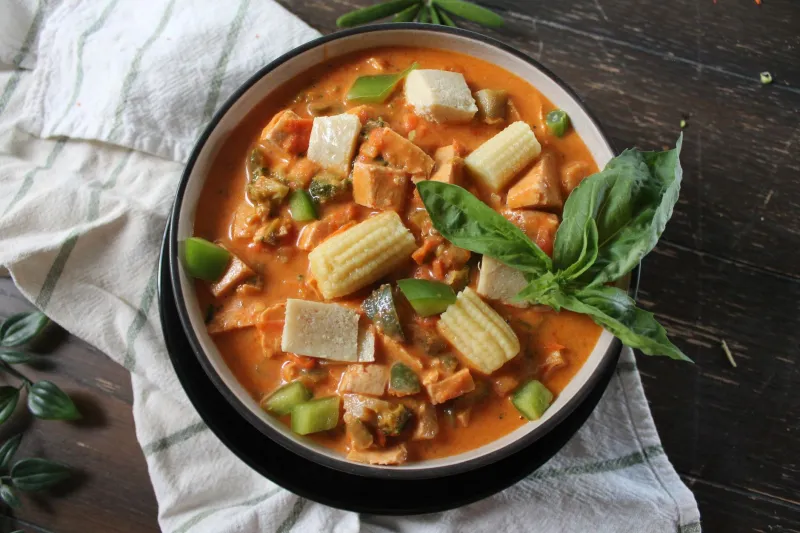
A standard restaurant Thai curry is often heavy on coconut milk, light on vegetables, and built around one or two protein sources. It tastes incredible, but the color story is pretty limited — usually pale yellow to orange, with maybe a handful of bamboo shoots floating around.
Your home version? We're turning it into a spectrum.
Build your rainbow curry base:
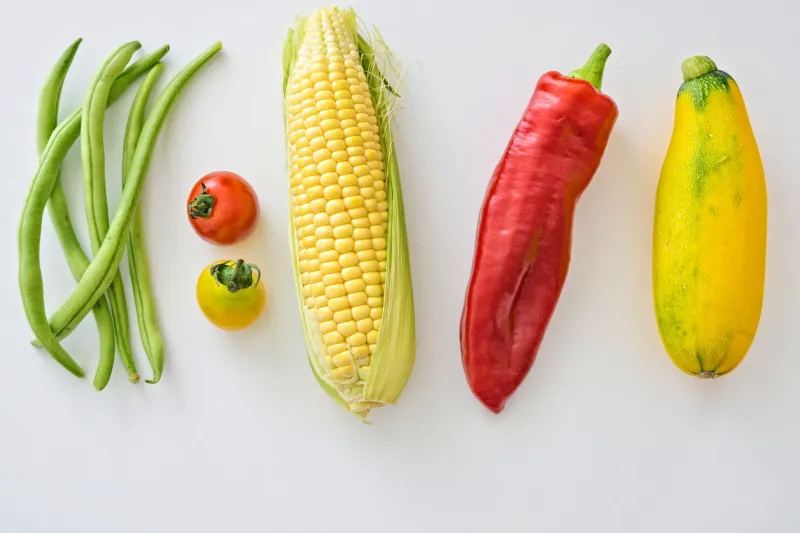
- Red: Add diced red bell peppers and a spoonful of tomato paste to the base. Red bells are loaded with lycopene and capsanthin, two carotenoids linked to cardiovascular support.
- Orange: Cubed butternut squash or sweet potato brings beta-carotene, which your body converts to vitamin A. This is your immune system's best friend.
- Yellow: Fresh or frozen corn kernels add lutein and zeaxanthin — carotenoids that specifically support eye health.
- Green: Don't skip the greens. Stir in a big handful of baby spinach or thinly sliced zucchini right at the end. Chlorophyll-rich greens introduce magnesium and folate to the mix.
- Purple: This is the secret weapon. Thinly sliced purple cabbage stirred in during the last two minutes adds anthocyanins — potent anti-inflammatory compounds that most takeout curries are completely missing.
The phytonutrient payoff: A typical restaurant red curry might clock in with two or three distinct phytonutrient classes. Your rainbow version? Easily six or seven. That diversity matters because different compounds protect different tissues, and many work better together than in isolation — a concept researchers call the "food matrix effect."
Cost reality check: A restaurant Thai curry for two in most US cities runs $28–$38 with delivery fees. Your homemade rainbow version, built on pantry staples like canned coconut milk and curry paste, costs roughly $9–$12 and feeds four.
Mediterranean Grain Bowl: More Than Just Hummus and Olives
The Mediterranean bowl has had a serious moment in American fast-casual dining — and for good reason. Grains, legumes, and fresh vegetables are genuinely a great nutritional framework. But the restaurant version tends to play it safe: chickpeas, cucumber, tomato, feta, done.
You can do so much more with this canvas.
Layer your spectrum:
- Base grains: Swap plain white rice for a mix of farro and quinoa. Farro brings lignans (phytoestrogens with antioxidant properties), while quinoa adds all nine essential amino acids — rare for a plant food.
- Red layer: Roasted cherry tomatoes and a swipe of harissa paste. Roasting tomatoes increases lycopene bioavailability compared to eating them raw, so don't skip this step.
- Orange layer: Roasted carrot coins tossed with cumin. Carrots deliver alpha-carotene alongside beta-carotene — a duo that research associates with lower oxidative stress markers.
- Yellow layer: Pickled golden beets or shaved raw yellow beets. Beets of any color contain betalains, but golden beets specifically offer betaxanthins, which have shown anti-inflammatory activity in cell studies.
- Green layer: Arugula instead of plain romaine. Arugula is a cruciferous green loaded with glucosinolates — sulfur compounds that support your body's natural detoxification pathways.
- Purple/blue layer: Kalamata olives (deep purple, technically) plus a handful of blueberries on the side. Yes, blueberries in a savory bowl. They work beautifully with the tangy dressing and bring anthocyanins that tie the whole phytonutrient story together.
Dress it right: Whisk together tahini, lemon juice, garlic, and a drizzle of good olive oil. The fat in tahini and olive oil is critical — it makes fat-soluble carotenoids like beta-carotene and lycopene significantly more absorbable. This is why low-fat dressings on colorful salads are actually a nutritional miss.
The restaurant vs. home comparison: A fast-casual Mediterranean bowl at places like Cava or Dig runs $14–$18 before tip. Your homemade version for two? About $7, with enough leftover grain to pack lunch tomorrow.
Mexican Salsa Bar: Beyond the Red Jar
Salsa from a jar or from a restaurant chip basket is usually a single-color affair — red, tomato-forward, maybe with a little green cilantro on top. It's tasty, but it's leaving a lot of phytonutrient potential on the table.
Here's how to build a three-salsa rainbow spread that turns any Mexican-inspired meal into a nutritional powerhouse.
Salsa Roja (Red + Orange): Blend fire-roasted tomatoes, chipotle in adobo, roasted red peppers, and a small carrot. That carrot isn't just filler — it smooths out the texture and sneaks in beta-carotene alongside the lycopene from tomatoes.
Salsa Verde with a Twist (Green): Traditional tomatillo salsa is already a great green option, but boost it by blending in a small handful of raw spinach and a jalapeño. The spinach virtually disappears flavor-wise but loads the salsa with vitamin K, lutein, and folate.
Mango Habanero Salsa (Yellow + Orange): Dice fresh or frozen mango, red onion, habanero (use gloves), and cilantro. Mango brings beta-cryptoxanthin, a carotenoid that's associated with bone health and is found in very few common foods. This is your most nutritionally distinctive salsa of the three.
Serve with: Baked corn tortilla chips, sliced jicama sticks, or raw veggies for dipping. Jicama, popular in Mexican-American cooking, is a prebiotic fiber source that feeds the gut bacteria that help you absorb all those phytonutrients in the first place.
Why the DIY Rainbow Approach Actually Works
The running theme across all three of these rebuilds isn't just "add more vegetables." It's intentional color stacking — choosing ingredients from across the visible spectrum because each color family represents a different class of protective compounds. Red = carotenoids like lycopene. Orange/yellow = beta-carotene, lutein, zeaxanthin. Green = chlorophyll, glucosinolates, folate. Purple/blue = anthocyanins. White/tan = allicin, quercetin.
Restaurants optimize for flavor consistency, cost margins, and speed. They're not thinking about your anthocyanin intake. But you can — and it doesn't require culinary school or a specialty grocery store budget.
The next time that delivery app beckons, try this instead: open your fridge, find the most colorful ingredients you've got, and ask yourself which takeout classic they could become. Odds are, your version will be brighter, cheaper, and doing a whole lot more for your body than anything arriving in a paper bag.
Eat the rainbow. Cook it, too.