One Month, One New Color a Day: The Produce Challenge That Could Change How You Eat Forever
Why a Challenge? Why Now?
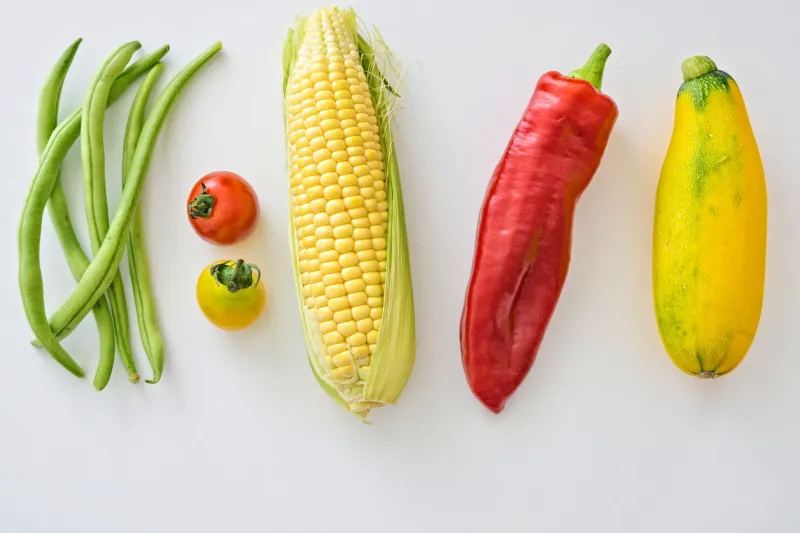
Let's be honest: most of us rotate through the same dozen or so fruits and vegetables on autopilot. Bananas, broccoli, baby carrots — reliable, sure, but not exactly thrilling. And when eating well starts to feel like a chore, that's usually when the drive-thru starts looking a lot more appealing.
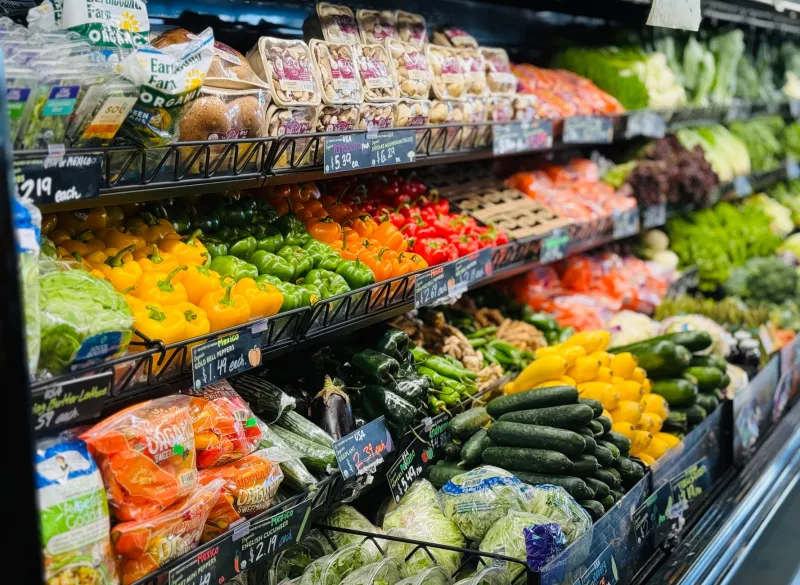
Here's the thing though: the produce aisle is genuinely one of the most exciting places in any grocery store, if you know how to look at it. Purple sweet potatoes. Dragonfruit. Watermelon radishes. Calamansi. These aren't exotic imports from some inaccessible health food boutique — they're increasingly available at Whole Foods, Trader Joe's, Asian grocery stores, and even your local farmers market. The variety is out there. We just tend to walk right past it.
The 30-Day Rainbow Plate Challenge is designed to fix that. One new colorful produce item per day. No complicated meal plans. No calorie counting. Just curiosity, a little kitchen confidence, and a willingness to try something different.
What Counts as "New"?
This is your challenge, so you get to define the rules — but here's a good working definition: if you haven't eaten it in the past six months, it counts. That could mean a vegetable you've literally never heard of (hello, kohlrabi), a fruit you've seen at the store but always skipped (looking at you, starfruit), or even a familiar food prepared in a totally different way. Never roasted beets before? Roasting them counts. Always buy frozen edamame but never tried fresh? Fresh counts.
The goal isn't perfection. It's expansion.
The Science Behind the Spectrum
Before we get into the daily breakdown, it's worth understanding why color diversity actually matters — beyond just making your plate look Instagram-worthy.
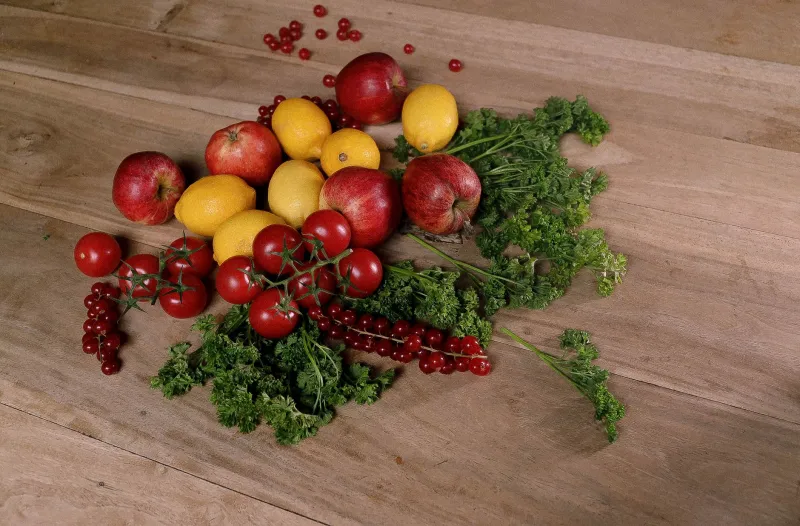
Different pigments in plant foods correspond to different families of phytonutrients. The red in tomatoes and watermelon comes from lycopene, a powerful antioxidant linked to heart health. The deep purple in blueberries and purple cabbage signals anthocyanins, which research associates with improved cognitive function and reduced inflammation. The orange in carrots and sweet potatoes? That's beta-carotene, a precursor to vitamin A that supports immune function and skin health.
When you eat the same narrow range of produce week after week, you're essentially leaving entire categories of these compounds off the table. Variety isn't just the spice of life — it's the nutritional strategy your body is actually built for.
How to Set Yourself Up for Success
Before Day 1, do a quick pantry and fridge audit. What colors are you already eating regularly? Make a short list. Then, head to the store — or pull up your favorite grocery delivery app — and browse the produce section with fresh eyes. Pick up five to seven items you've never cooked with before. Don't overthink it. If something catches your eye, grab it.
A few other tips to keep momentum going:
Keep a simple journal. It doesn't have to be elaborate — a notes app on your phone works fine. After trying each new food, jot down a few quick observations: How did it taste? How did you feel an hour later? Did your energy feel different? Any changes in digestion? Over 30 days, patterns tend to emerge that are genuinely surprising.
Take the pressure off cooking. Not every day needs to be a full recipe. Some days, slicing open a fresh papaya and eating it with a spoon is the whole move. Other days, you might feel inspired to make a roasted golden beet salad with citrus and pistachios. Both count. Both are wins.
Rope in a friend or partner. Challenges are more fun — and more sustainable — when someone else is doing them with you. Even just texting a photo of your weird new vegetable to a friend creates a little accountability loop.
A Week-by-Week Framework
Week 1: Red and Pink — Start with the warmest end of the spectrum. Think blood oranges, radicchio, red pears, guava, and pink dragon fruit. These are approachable and widely available, making them a great confidence builder for the first week.
Week 2: Orange and Yellow — Golden beets, turmeric root, yellow tomatoes, persimmons, and spaghetti squash all live here. This is a great week to experiment with roasting and caramelization — heat transforms these foods beautifully.
Week 3: Green — Go beyond spinach and broccoli. Try watercress, bitter melon, green papaya, tomatillos, or fiddlehead ferns if you can find them. Green is the most abundant color in the produce world, which means there's plenty of territory left to explore.
Week 4: Blue, Purple, and White — This is where things get really interesting. Purple sweet potatoes, elderberries, black garlic, purple asparagus, and jicama all belong to this final stretch. These tend to be the least familiar for most American eaters, which makes the discoveries here feel especially rewarding.
Daily Journaling Prompts to Try
Tracking your experience doesn't have to feel like homework. Here are a few simple prompts to rotate through:
- What did this taste like, and what did it remind me of?
- How did I prepare it, and would I do anything differently next time?
- On a scale of 1–10, how's my energy today compared to yesterday?
- Anything notable about digestion or how I felt after eating?
- Would I buy this again? Why or why not?
By Day 30, you'll have a personal produce diary that's genuinely useful — a real record of what works for your body and your palate.
What Happens After Day 30?
Here's the quiet magic of this kind of challenge: habits form not through willpower, but through repetition and positive experience. After 30 days of intentional exploration, most people find that a handful of new foods have genuinely earned a permanent spot in their weekly rotation. Maybe it's roasted delicata squash every fall. Maybe it's fresh tomatillos in your salsa all summer long. Maybe it's just the habit of always grabbing one unfamiliar item whenever you're at the grocery store.
The rainbow isn't a diet. It's a practice — one that gets richer, more delicious, and more nutritionally diverse the longer you stick with it. Thirty days is just the beginning.