Eat With the Seasons, Supercharge Your Cells: A Color-by-Season Nutrition Guide
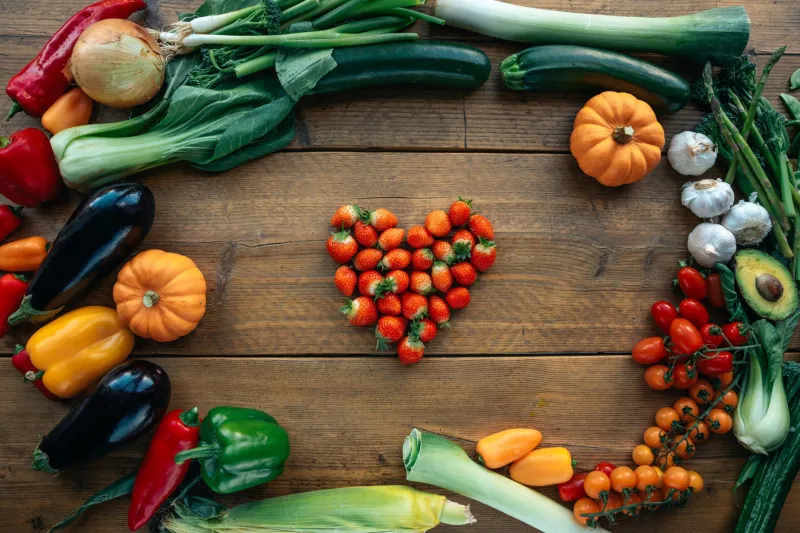
Here's something the supplement industry doesn't want you to think too hard about: the most sophisticated nutritional delivery system on the planet isn't a capsule or a powder. It's a farmers market in July. Or a CSA box in October. Or a pile of muddy spring leeks you just hauled home from the co-op.
Seasonal eating has been having a moment for a while now — mostly framed around sustainability, local agriculture, and flavor. All of that matters enormously. But there's a nutritional argument for eating seasonally that doesn't get nearly enough airtime, and it goes straight to the cellular level.
When you let the seasons guide your plate, you naturally rotate through a shifting spectrum of plant pigments — and those pigments aren't just pretty. They're functional compounds your body uses in ways that science is still working to fully understand. Eating in color, in season, is one of the most elegant nutritional strategies available to us. Let's break it down, quarter by quarter.
Why Seasonal Produce and Phytonutrients Are a Package Deal
Plants produce phytonutrients — the compounds behind their colors, flavors, and aromas — as a response to environmental stress. Intense summer sun pushes a blueberry to load up on anthocyanins. Cold soil temperatures concentrate the glucosinolates in winter kale. A spring rain triggers the production of chlorophyll in asparagus shoots practically overnight.
In other words, the conditions that make seasonal produce taste better are often the same conditions that make it more nutritionally potent. A hothouse tomato in February and a sun-ripened heirloom tomato in August are technically the same vegetable. Nutritionally? They're barely related.
Research has consistently shown that produce harvested at peak ripeness contains higher concentrations of vitamins, antioxidants, and phytonutrients than out-of-season counterparts shipped long distances. When you shop seasonally, you're not just being a conscientious consumer — you're actually getting more bang for your nutritional buck.
Spring: The Green Reset
After a winter of heartier, denser foods, spring delivers something that feels almost medicinal: an explosion of green. Asparagus, peas, spinach, arugula, fiddlehead ferns, watercress, spring onions, and fresh herbs flood markets from roughly March through May, and they arrive loaded with chlorophyll, folate, and a class of compounds called flavonoids.
Chlorophyll — the pigment responsible for all that green — has been studied for its potential role in detoxification and cellular repair. Folate, abundant in leafy spring greens, is critical for DNA synthesis and is especially important for anyone who is pregnant or considering it. And the bitter notes in arugula and dandelion greens? Those come from compounds that support bile production and digestive health — basically a seasonal tune-up for your gut after months of heavier eating.
Practical move: Build a spring rotation around a simple green smoothie base, a weekly asparagus roast, and a pea-and-herb grain bowl. Let bitterness back onto your plate — it's doing something.
Summer: The Antioxidant Jackpot
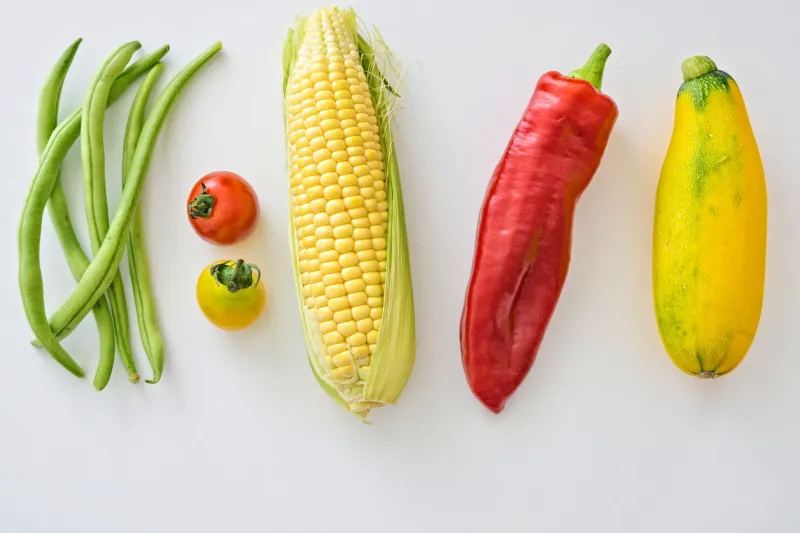
Summer is when the rainbow goes full volume. Blueberries, blackberries, strawberries, cherries, watermelon, tomatoes, red and yellow peppers, eggplant, peaches, corn — the color range is staggering, and so is the phytonutrient payload.
Anthocyanins, the blue-purple pigments in berries, are among the most studied antioxidants in the plant kingdom, linked to cardiovascular health, cognitive function, and reduced inflammation. Lycopene — responsible for the red in tomatoes and watermelon — is a carotenoid that becomes more bioavailable when cooked or paired with a fat, which is basically the universe's way of telling you to make more tomato sauce with olive oil.
Yellow and orange summer produce brings beta-carotene and zeaxanthin into the mix, both of which support eye health and immune function. And because summer sun is intense, it's worth noting that some of these same antioxidants may help protect skin cells from UV-related oxidative stress — nature's own internal sunscreen, in a sense.
Practical move: Eat berries daily. Make big batches of roasted tomato sauce. Load up on grilled peppers and corn. Summer is the season to eat abundantly and unapologetically.
Fall: The Deep Pigment Season
Fall produce operates in a different register — earthier, denser, richer in color and in complex carbohydrates that fuel us through shorter days and cooler temperatures. Think butternut squash, acorn squash, pumpkin, sweet potatoes, beets, red cabbage, cranberries, and apples.
The orange and gold of fall squash signals an abundance of alpha- and beta-carotene, compounds the body converts to vitamin A, which is essential for immune defense, skin integrity, and vision. Sweet potatoes are among the most nutrient-dense foods on the planet, full stop. Beets deliver betaine and nitrates, which support cardiovascular function and have been studied for their potential to improve exercise performance.
Red cabbage and cranberries bring back the anthocyanin brigade, but in a more concentrated, tart form that pairs beautifully with the warming spices — cinnamon, ginger, turmeric — that are themselves phytonutrient powerhouses.
Practical move: Roast a sheet pan of mixed fall vegetables every Sunday. Make beet salads with walnuts and citrus. Treat squash like the nutritional heavyweight it is.
Winter: The Quiet Powerhouses
Winter is where a lot of Americans fall off the seasonal eating wagon, defaulting to the same handful of imported produce or skipping vegetables altogether. But winter has its own nutritional gifts, and they're worth seeking out.
Kale, collard greens, Brussels sprouts, broccoli, cauliflower, turnips, and citrus fruits dominate the winter palette. The cruciferous vegetables in this group are loaded with glucosinolates — sulfur-containing compounds that the body converts into isothiocyanates, which have been extensively studied for their potential role in cancer prevention and liver detoxification support.
Citrus brings vitamin C and a class of flavonoids called hesperidin and naringenin, which have anti-inflammatory and immune-modulating properties. And dark leafy greens like kale and collards are among the most calcium-rich plant foods available — relevant for anyone eating less dairy.
Practical move: Learn to love braised greens. Make citrus the centerpiece of your winter snacking. Roast Brussels sprouts until they're crispy and slightly charred — a revelation if you haven't tried it.
The Rotation Is the Strategy
Here's the bigger picture: no single season, and no single color, gives you everything. Anthocyanins are great, but they don't do what glucosinolates do. Beta-carotene is essential, but it doesn't replace folate. The human body is designed to work with a rotating cast of plant compounds — not a fixed lineup.
When you eat seasonally, you naturally cycle through these compounds without having to think about it too hard. Spring gives you the green reset. Summer floods you with antioxidants. Fall loads you up on carotenoids. Winter keeps your immune system armed. It's a nutritional rhythm that's been working for human populations for millennia, and modern research is only beginning to quantify why.
Supporting local and regional agriculture while you do it is a genuine bonus — for the environment, for small farmers, and for the freshness of what ends up on your plate. Seasonal eating isn't a sacrifice. It's a superpower. And the colors will show you exactly where to start.