Stock It Once, Cook in Color All Week: The 30 Plant-Based Pantry Staples You Actually Need
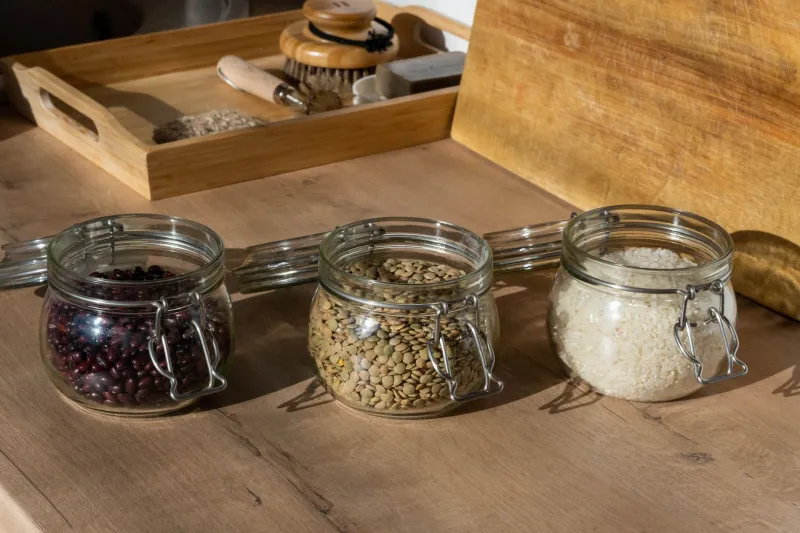
Let's be honest: the idea of eating a full rainbow every single day sounds gorgeous in theory. In practice, life gets in the way. The kale goes limp by Wednesday. You forgot to defrost anything. It's 6:30 PM and you're staring into a cabinet full of... crackers and mystery grains from 2022.
Here's the thing nobody talks about enough — colorful, plant-based eating is way more forgiving than it looks. The secret isn't a perfectly curated produce haul. It's a well-stocked pantry that makes throwing together a vibrant plate feel almost automatic. Think of your kitchen as a color palette. When the right pigments are always within reach, painting a nutritious meal becomes second nature.
These 30 staples are the ones that earn their shelf space every single week. They're affordable, widely available at most US grocery chains, and — crucially — they won't rot on you by Thursday.
The Red and Orange Foundation
Red and orange foods are loaded with lycopene, beta-carotene, and vitamin C — and several of the best sources happen to be pantry gold.
1. Canned crushed tomatoes. The MVP of red plant pigments. Lycopene — the antioxidant that gives tomatoes their color — actually becomes more bioavailable when cooked, which makes canned tomatoes nutritionally superior to fresh in many applications. Use them in sauces, stews, shakshuka, or as a quick braising liquid.
2. Canned diced fire-roasted tomatoes. A step up in flavor complexity. These do heavy lifting in chilis, grain bowls, and tacos without any extra effort.
3. Tomato paste. Concentrated color and umami in a tiny can. One tablespoon deepens the flavor of almost any red sauce or soup.
4. Frozen butternut squash cubes. Pre-cut, ready to roast, and packed with beta-carotene. Toss them with cumin and olive oil and you've got half a bowl right there.
5. Dried red lentils. They cook in under 20 minutes, no soaking required, and they turn a gorgeous golden-orange. Dal, soups, and veggie burgers all benefit.
6. Sweet paprika and smoked paprika. These spices bring red-orange color and flavor. They're not just garnish — they're pigment delivery systems.
7. Canned pumpkin purée. Underrated outside of November. Stir it into oatmeal, blend it into pasta sauce, or use it as a base for a warming soup. Pure beta-carotene convenience.
Yellow and Gold Essentials
Yellow foods bring lutein, zeaxanthin, and a range of B vitamins to the table. They also happen to make everything look more cheerful.
8. Turmeric. The curcumin in turmeric has been studied extensively for its anti-inflammatory properties. A pinch goes into rice, soups, scrambled tofu — basically anything that can handle a golden hue.
9. Nutritional yeast. Bright yellow, nutty, and rich in B vitamins (including B12 in fortified versions). Sprinkle it on everything.
10. Canned corn. Convenient, sweet, and genuinely nutritious. Corn contains lutein and zeaxanthin, two carotenoids linked to eye health. Drain and toss into salsas, grain bowls, or black bean tacos.
11. Yellow split peas. A milder cousin to the red lentil, these cook down into creamy, golden soups that feel indulgent without being heavy.
12. Miso paste (white or yellow). Fermented, complex, and deeply savory. A spoonful transforms dressings, marinades, and broths — and it keeps for months in the fridge.
Green All Day
Green is arguably the easiest color to eat in abundance when your freezer is stocked right.
13. Frozen edamame. Protein, fiber, and a satisfying bite. Toss them in salads, blend them into hummus, or just eat them with flaky salt.
14. Frozen peas. Don't sleep on peas. They're sweet, high in protein for a vegetable, and they thaw in minutes. Add them to pasta, rice, or curries at the very end of cooking.
15. Frozen spinach. Fresh spinach wilts fast. Frozen spinach is just as nutritious and ready whenever you need it — for smoothies, pasta sauces, soups, or frittatas.
16. Dried green lentils. Heartier than red lentils, these hold their shape beautifully in salads and grain bowls.
17. Canned artichoke hearts. A surprisingly versatile pantry item. Chop them into pasta, layer them on flatbreads, or blend them into dips.
18. Matcha powder. Beyond lattes, matcha works in overnight oats, smoothies, and even savory sauces. It's rich in EGCG, a well-studied catechin antioxidant.
19. Dried herbs — basil, oregano, thyme. Green flavor compounds that double as phytonutrient sources. Fresh herbs are great when you have them; dried ones are there when you don't.
Blue and Purple Power
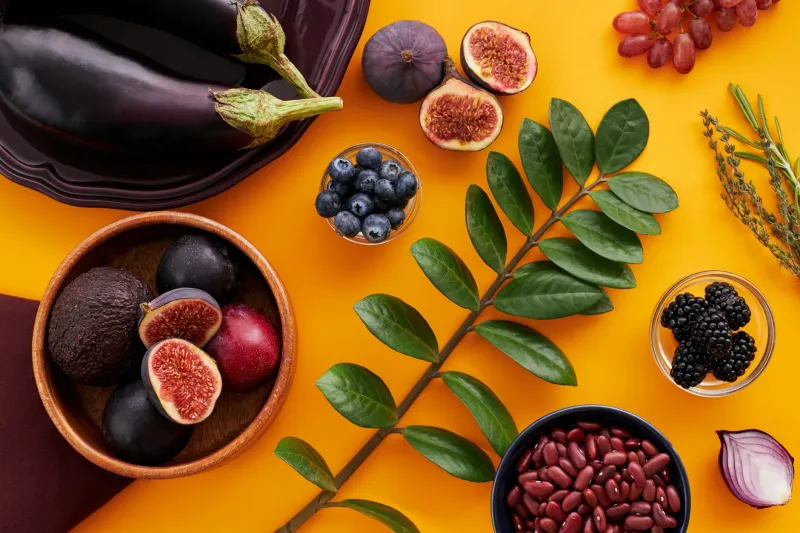
Blue and purple foods are anthocyanin powerhouses — and a few of them live beautifully in your pantry or freezer.
20. Frozen wild blueberries. Smaller and more intensely flavored than fresh cultivated blueberries, wild blueberries also pack a higher anthocyanin concentration. They're a freezer staple worth keeping year-round.
21. Canned black beans. Deep purple-black, rich in fiber and plant protein, and ready in seconds. The backbone of a dozen easy meals.
22. Dried black lentils (beluga lentils). They look like caviar and cook up with a firm, satisfying texture. Great in salads and grain bowls.
23. Purple rice (forbidden rice). This whole grain gets its dramatic color from anthocyanins in the bran layer. It's nutty, chewy, and visually stunning in a bowl.
24. Beet powder. A tablespoon stirred into hummus, smoothies, or even pasta dough delivers a vivid magenta hit and a dose of nitrates linked to cardiovascular support.
The White and Tan Tier (Yes, They Count)
Not every important plant compound is brightly colored. Allicin, quercetin, and resistant starch all show up in pale foods.
25. Canned cannellini beans. Creamy, mild, and endlessly useful. Mash them, blend them, toss them whole — they bring protein and fiber to any dish.
26. Rolled oats. A whole grain base for breakfast or baking, rich in beta-glucan fiber that supports healthy cholesterol levels.
27. Garlic powder and onion powder. The flavor backbone of almost every savory dish, with genuine prebiotic and sulfur-compound benefits.
28. Raw cashews. Soak and blend them for a cream sauce, chop them for crunch, or eat them straight. Healthy fats and a satisfying richness.
The Oils and Acids That Tie It All Together
29. Extra-virgin olive oil. The gold standard for plant-based cooking fat. Rich in oleocanthal and oleic acid, it supports absorption of fat-soluble pigments like beta-carotene and lycopene. Colorful food is more nutritious with a good fat alongside it.
30. Apple cider vinegar and tamari (or low-sodium soy sauce). Technically two items, but they function as a pair — acid and umami. Between these two, you can build a dressing, a marinade, or a dipping sauce that makes any rainbow bowl sing.
Building the Habit
The point of a pantry reset isn't to buy everything at once and feel overwhelmed. Pick five or six items from each color category and start there. As you cook through them, you'll naturally figure out which ones earn permanent real estate on your shelves.
Colorful eating gets easier when the infrastructure is in place. You're not relying on inspiration or a perfect grocery run — you're working with a stocked palette. And on a Tuesday night when you're exhausted and the fridge is looking sparse? That's exactly when a well-built pantry becomes your most colorful, most nutritious best friend.