What's in Your Cart Is More Powerful Than What's on Your Gym Schedule

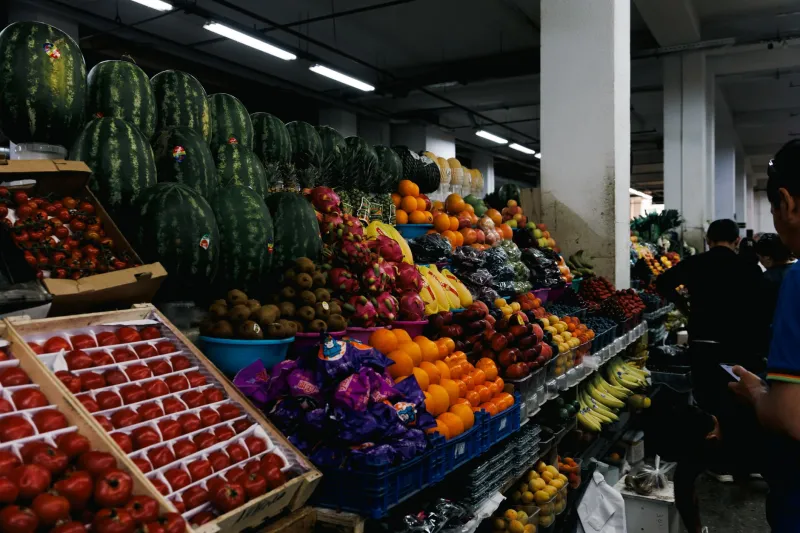
Photo by Photo by Yura Batiushyn on Unsplash on Unsplash
American wellness culture loves a good sweat session. Peloton bikes, HIIT classes, step-count competitions with coworkers—we're obsessed with movement as the ultimate health metric. And look, exercise matters. Nobody's arguing otherwise. But here's the uncomfortable truth that nutritional science keeps surfacing: what lands in your grocery cart twice a week has a more direct and sustained influence on your metabolic health than most workout routines ever will.
The food you buy is the food you eat. And the color range of that food? That's a surprisingly accurate window into the nutritional complexity your body is actually receiving.
Why Color Is a Proxy for Nutritional Depth
Plant pigments aren't just pretty. They're functional compounds—phytonutrients, flavonoids, carotenoids, anthocyanins—that each carry distinct biological jobs inside your body. The red in a tomato (lycopene) works differently than the orange in a sweet potato (beta-carotene), which works differently than the deep purple in a blueberry (anthocyanins). These compounds aren't redundant; they're complementary. They operate across different cellular pathways, support different organs, and trigger different immune responses.
When your cart skews heavily toward beige—think bread, pasta, chicken breast, maybe some iceberg lettuce for good measure—you're getting calories and macronutrients, sure. But you're leaving an enormous amount of micronutritional firepower on the shelf. Literally.
A 2021 analysis published in the Journal of Nutrition found that Americans who consumed a wider variety of colorful plant foods showed significantly better markers of systemic inflammation, insulin sensitivity, and gut microbiome diversity than those eating a narrow palette of produce—even when total caloric intake was similar. The variety itself was the variable.
The Rainbow Ratio: A Cart-Level Health Audit
Here's a simple mental framework you can use right there in the produce aisle, no app required. We call it the Rainbow Ratio.
Before you head to checkout, do a quick visual scan of your cart. Count how many distinct color groups are represented in your fresh and frozen produce:
- 🔴 Red/Pink — tomatoes, watermelon, red bell peppers, strawberries, beets
- 🟠 Orange — carrots, sweet potatoes, butternut squash, mangoes, persimmons
- 🟡 Yellow — yellow squash, corn, golden beets, pineapple, banana peppers
- 🟢 Green — spinach, kale, broccoli, edamame, avocado, cucumber
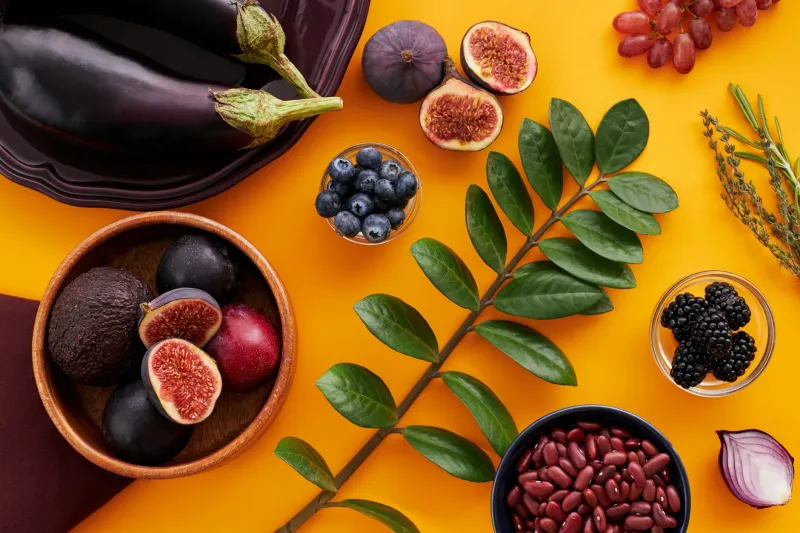
- 🔵/🟣 Blue/Purple — blueberries, purple cabbage, eggplant, blackberries, Concord grapes
- ⚪ White/Tan — garlic, onion, cauliflower, mushrooms, parsnips
A cart hitting 4 or more color groups is doing well. Five is great. Six is a full-spectrum win. Fewer than three? That's a signal worth paying attention to.
This isn't about being rigid or turning grocery shopping into homework. It's about giving yourself a fast, intuitive checkpoint that's rooted in real science.
How Color Diversity Connects to the Big Three: Metabolism, Immunity, and Energy
Metabolism isn't just about burning calories—it's about cellular efficiency. Polyphenols found in colorful plants, particularly those in the blue-purple family, have been shown to influence mitochondrial function and improve how cells respond to insulin. A sluggish metabolism is often less about how much you're moving and more about whether your cells are getting the micronutrients they need to run cleanly.
Immune function is deeply tied to phytonutrient intake. Vitamin C (abundant in red and orange produce), quercetin (yellow onions, apples), and sulforaphane (cruciferous greens) each modulate immune pathways in distinct ways. Eating a single immune-supporting food is fine. Eating across the spectrum creates a layered, more resilient defense system—one that researchers increasingly describe as synergistic rather than additive.
Energy levels are where most people feel the gap most acutely. Chronic low-grade inflammation—often fueled by a diet low in plant diversity—is one of the leading contributors to that persistent afternoon fog and general sense of running on fumes. The antioxidants and anti-inflammatory compounds distributed across the color spectrum work to reduce that cellular noise, allowing your body to allocate energy more efficiently.
The Workout Math Doesn't Add Up the Way We Think
Let's put this in concrete terms. A solid 45-minute workout burns somewhere between 300 and 500 calories for most people. That same workout also creates oxidative stress in the body—a normal byproduct of exertion that the body needs to recover from. What helps the body recover? Antioxidants. Anti-inflammatory compounds. Phytonutrients. In other words: colorful food.
So if you're training hard but eating a low-color diet, you're essentially generating cellular stress without giving your body the recovery tools it needs. The gym becomes less effective, not more. Your cart and your workout routine are not separate health variables—they're deeply interdependent.
Practical Moves You Can Make at the Store This Week
You don't need to overhaul everything at once. Small, consistent shifts in your shopping habits compound over time in ways that are genuinely measurable.
Grab one unfamiliar color each trip. If your cart is heavy on greens, throw in some purple cabbage or golden beets. Rotate what's unfamiliar, and your diet diversifies naturally.
Use the freezer aisle strategically. Frozen produce is picked and frozen at peak ripeness, which often means it retains more nutrients than fresh produce that's been sitting in transit for days. Frozen mango, edamame, mixed berries, and fire-roasted peppers are all solid color-boosting options that won't break the bank.
Think color at the macro level, not the meal level. You don't need every color at every meal. Aim for full-spectrum coverage across the week. A Sunday shop that hits all six color groups sets you up for a nutritionally rich week without requiring you to engineer every plate.
Don't skip the alliums. Garlic, onions, leeks, and shallots fall in the white/tan category but are some of the most potent immune-modulating foods available. They're also cheap and shelf-stable. There's no good reason not to have them in your cart every single week.
Your Cart Is a Health Statement
Here's the reframe worth sitting with: every grocery run is a health investment decision. Not a chore, not a logistical necessity—a decision with real downstream consequences for how you feel, how your immune system performs, and how efficiently your body runs.
The gym is great. Keep going. But if you're only measuring your health commitment in reps and miles, you're missing one of the highest-leverage interventions available to you. It's sitting right there in the produce section, waiting to be picked up.
Scan your cart before checkout. Count the colors. Close the gap. That five-minute habit, done consistently, might do more for your long-term health than a whole month of spin classes.